Ayodhya, located in Uttar Pradesh on the banks of the Saryu River, is one of the seven most sacred cities in Hinduism. It is believed to be the birthplace of Lord Rama, the seventh avatar of Vishnu, and holds immense spiritual, historical, and cultural importance.
Top Attractions in Ayodhya
1. Shri Ram Janmabhoomi Mandir
The grand temple built at the believed birthplace of Lord Rama.
Attracts millions of pilgrims from across the country.
Architectural marvel symbolizing devotion and heritage.
2. Saryu River & Aarti
Evening aarti at the ghats of the Saryu is a deeply spiritual experience.
Visitors can take holy dips or enjoy boat rides.
3. Hanuman Garhi
A revered temple dedicated to Lord Hanuman, with a massive idol.
Situated on a hillock with stairs leading up to it.
4. Kanak Bhawan
A beautiful palace-temple said to have been gifted to Sita by Queen Kaikeyi.
Adorned with intricate carvings and vibrant idols of Rama and Sita.
5. Ramkot
A sacred spot believed to be the royal palace of Lord Rama.
Major hub for pilgrims, especially during Ram Navami.
6. Nageshwarnath Temple
One of the oldest temples in Ayodhya, said to have been built by Kush, son of Rama.
Festivals and Celebrations
Ram Navami: Grandest celebration in Ayodhya, marking Lord Rama’s birth.
Diwali (Deepotsav): Ayodhya is illuminated with lakhs of diyas, creating a magical view.
Makar Sankranti & Kartik Purnima: Holy bathing festivals on the Saryu.
What to Buy
Religious artifacts, Ramayana-themed souvenirs, incense, and Ayodhya paintings.
Local sweets like pedas and kesar-based delicacies are popular.
How to Reach Ayodhya
By Air: Ayodhya has its own domestic airport – Maharishi Valmiki International Airport. Nearby airports include Lucknow and Gorakhpur.
By Train: Ayodhya Dham Junction is well-connected to major cities.
By Road: Easily accessible from Lucknow, Varanasi, Gorakhpur, and Prayagraj.
Where to Stay
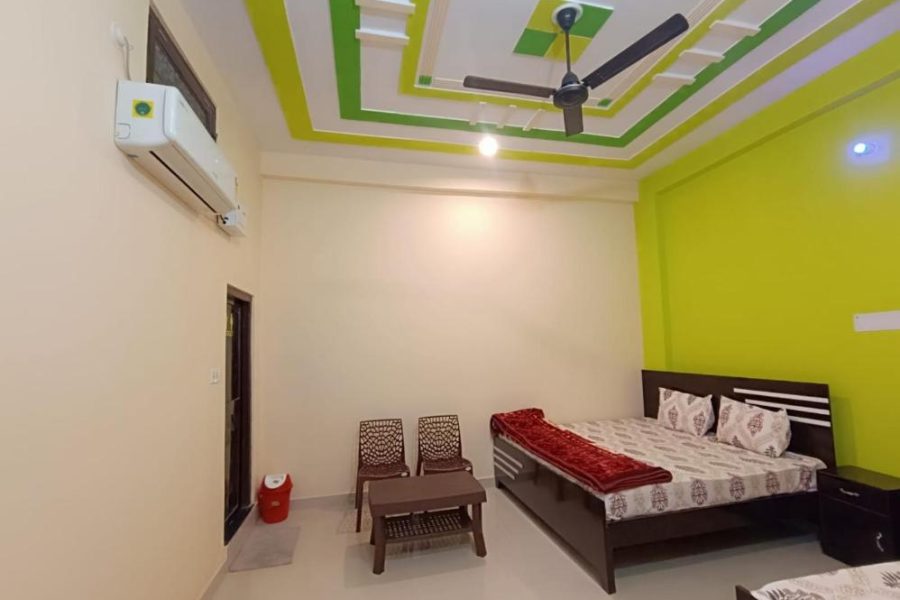
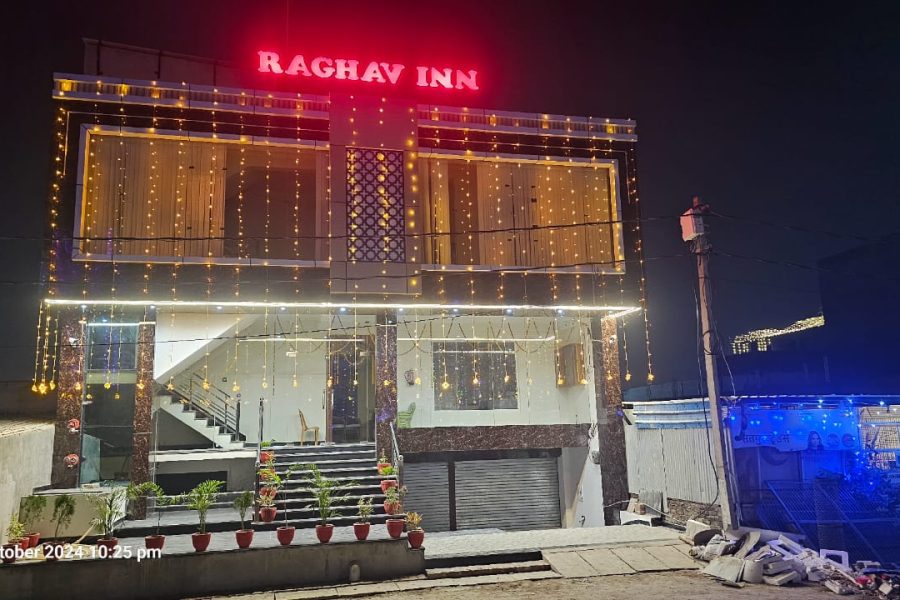
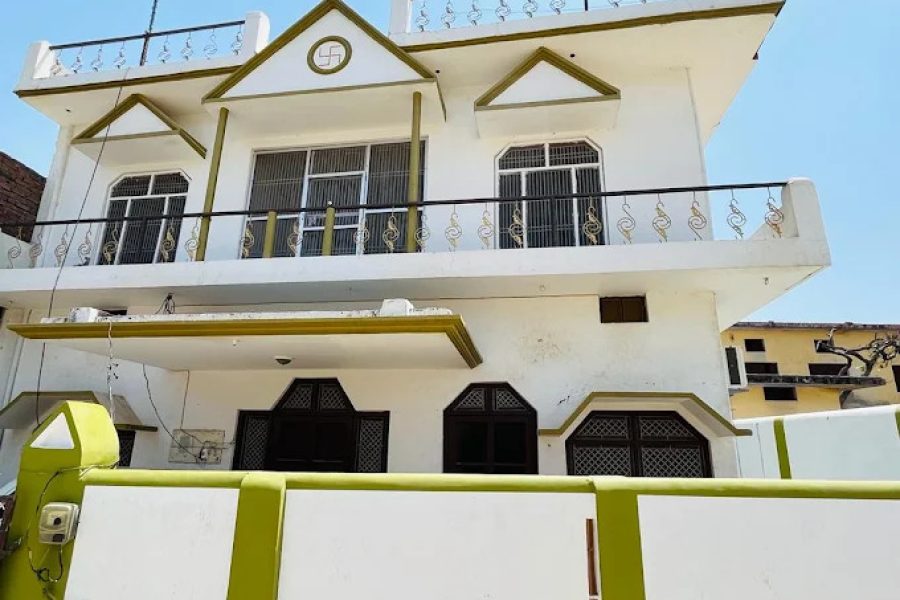
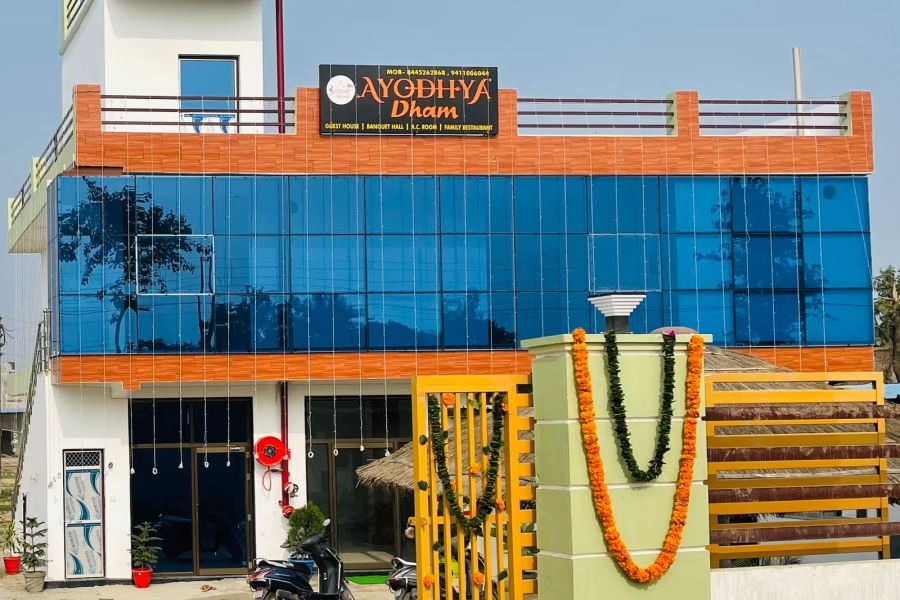
Ayodhya offers dharamshalas, budget hotels, and newly developing mid-range and luxury stays near Ram Janmabhoomi and the ghats.